Monday, September 28, 2009

music theory & hymn study

Monday's are Music Days. After lunch, we generally have time for some kind of "culture" time (as I call it). On Monday we take about 10-15 minutes to discuss music. The kids really enjoy imitating rythyms and getting a chance to play low or high notes on the piano. Once again, it is amazing to me that with such little time investment, they can learn and retain so much. I've created a list of music lessons based on suggestions from some of the following sites:

Theory Time - I didn't purchase these workbooks, though they look pretty good. I am using the concepts listed as jumping board for our gentle theory lessons.

Making Music Fun


During nightly Family Worship we work on learning one hymn per month. At the beginning of the year, I came up with a list of hymns (both old and new) and printed all of the lyrics and sheet music from the internet.

This is our list for 2009:

January
Be Thou my Vision
February
What Wondrous Love is This
March
I will Glory in my Redeemer
April
Crown Him with Many Crowns
May
Not What my Hands Have Done
June

July
Praise to the Lord, the Almighty
August

September
Great God of Wonders
October
And Can it Be
November
Come Thou Fount of Every Blessing
December

Saturday, September 26, 2009

the arts

My goals for my children's learning in the area of "fine art" include appreciation and familiarity of fine art and classical music. I don't really care if they know the exact name of the piece of music or exactly who wrote it, but are familiar with the tune and familiar with the composer's name. As I always enjoy a piece at the symphony more if I am familiar with it, I figure this exposure will increase their enjoyment of the arts in subsequent years as well.

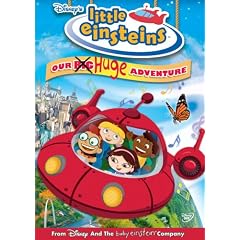
Combining both famous art and classical music, Disney's Little Einsteins provides a story-line that my children enjoy and fits nicely into our morning "movie time". I don't allow the kids to watch much TV, but after Table Time while I'm getting lunch ready the 30 minutes of entertainment is much appreciated by everyone. I've found the cheapest place to purchase episodes is through iTunes for $1.99 per show.

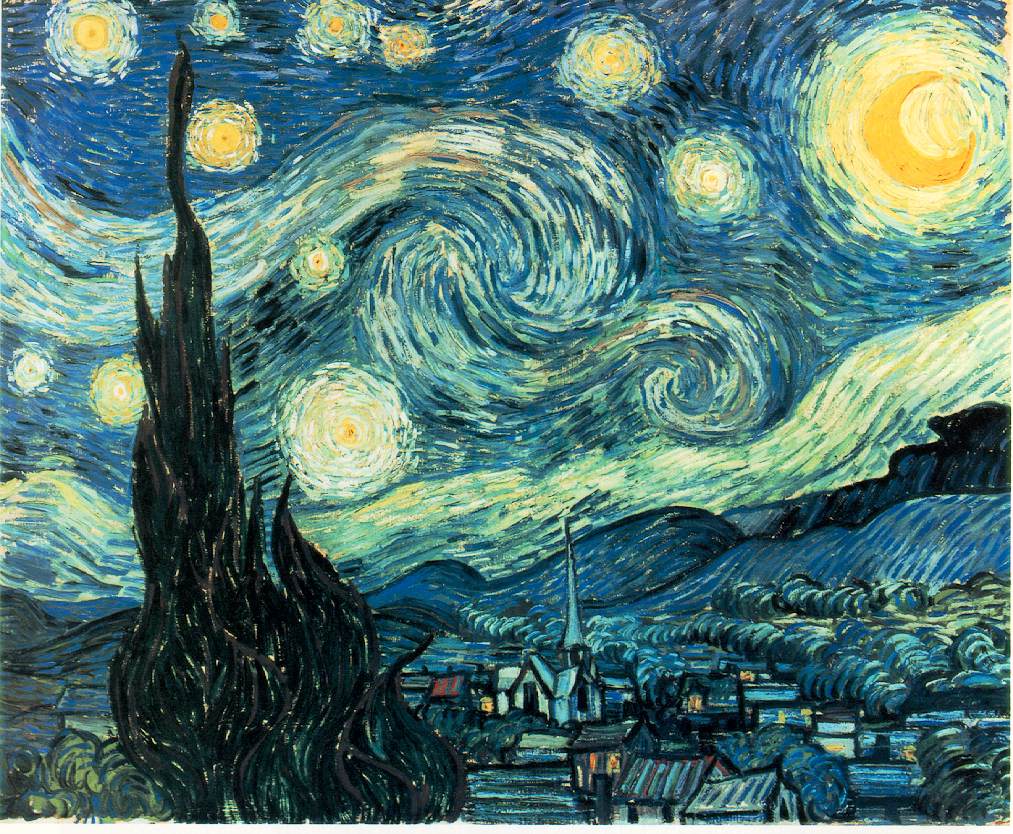
We are also loosely following the picture study module 2 organized by Simply Charlotte Mason. I've printed on our color printer pictures by Van Gogh that were linked from Ambleside Online's Art Schedule (Van Gogh was on their list for 2008-2009 Term 3). I place these pictures on the inside door of our kitchen closet so that when we are having Table Time and throughout the day the kids can see the picture we are currently studying. Once a week we concentrate on studying the picture. I say the name and the artist and then we'll either play a game where I let them study the picture and then cover it up and ask them questions about it like "What color was the floor? Were there any flowers in the painting?" etc. or we will attempt to copy the painting with colors or paints. Last week I printed an additional copy of the picture and cut it into pieces to make a puzzle. We study each picture about a month to 6 weeks.

We are not doing anything formal in the area of composer study. I have several classical pieces from various CD's organized into playlists on my iPod by composer and sometimes while we're doing arts and crafts or eating lunch, I'll start it playing and just tell the kids, "This music was written by Vivaldi", for instance. If I'm near the iPod and can see the title I'll tell them the title of the piece. It's amazing how much they can pick up just by that simple "background music." Sometimes we play games where I will hum a little bit of a tune and let them finish it.

hands-on learning @ museums

In a previous post, I mentioned that for science this year (and probably throughout the elementary years) we've opted to do nature study, gardening, cooking, reading living books about science and visiting science museums.

We believe that in providing our children hands-on learning experiences they not only learn better, but they become excited and interested about the subject. We've also seen how this helps in reading because when they encounter a new word they can often figure it out from context because they have seen what they are reading in real life.

Many museums have free days or times and those have been helpful. We opted to purchase a contributing membership to the Museum of Discovery ($110 per year) that included free admission to museums that are members of Children's Museum Assocation as well as Association of Science and Technology Center.

We haven't used the membership as much as I would have liked, but in a different season I think we definitely would have. Still, I feel like it was good deal financially speaking.

We have visited:

The Magic House in St. Louis, MO - If you are ever in St. Louis and have children this is a must-see! Plan to spend at least a whole day! It is really awesome and well worth the admission fee (though one admission for a family would pay half of a yearly membership fee to MoD)


The St. Louis Science Center - Again, well worth the money and time invested. They treated us like first-class members with free planetarium shows, free Discovery Room entry and I think we could have watched the IMAX movie for free (but it was a little intense for our children's ages.)


Children's Museum of Memphis - While it was a nice visit, it certainly does not compare to The Magic House. One other disadvantage is that they only allow 4 people to enter free with the reciprocal admission program (The Museum of Discovery membership allows up to 7 people) and everyone age 1-100 pays the full $9 admission price. If we did not have the yearly membership, I do not think it would be worth the admission price for a whole family to go.


The Pink Palace - Nice visit, especially since it was included in our membership. We only gained admission to the museum and extra exhibits and not the IMAX or planetarium. It will be nice to go back and view the traveling exhibits. We went when there were life-like dinosaurs that moved and growled and they were kind of scary for our kids.


Though not part of our MoD membership, we also visited the Museum of Westward Expansion located underneath the St. Louis Gateway Arch. This was perfect timing as the exhibits about pioneers and such fit right into our reading of the Little House on the Prarie series.

living science books

In a previous post, I mentioned that for science this year (and probably throughout the elementary years) we've opted to do nature study, gardening, cooking, reading living books about science and visiting science museums.

The best index I've seen of recommended living science books was put together by the North Houston Charlotte Mason support group. If you can get past the page design (that's the web-developer in me talking) it seems to be a good source of information. NOTE: Turn down your speakers!

Simply Charlotte Mason provides a set of lesson plans entitled 106 Days of Creation that looks interesting, though it was a bit much for me this year. We might use it in later years. They list the supplemental living books to use on their science page.

My sister sent me this link to several books online about animals by Arthur Scott Bailey.

Here are some of the books about nature and science that we have enjoyed so far this year.


cooking together

In a previous post, I mentioned that for science this year
(and probably throughout the elementary years) we've opted to do nature study, gardening, cooking, reading living books about science and visiting science museums.

Most of the time I am baking something the kids help me. They love to measure, mix, cut out cookies, knead dough, etc. We get a chance to talk about how yeast works and our sourdough starter and the different tastes of salt and sugar though they look the same. We mix food colorings together to see what color will result. We experiment with adding ingredients and leaving them out.

We have a standing tradition around our house that every time it rains, we make cookies. (Since it's been raining for the past 14 days around here, we have not honored that tradition upon each occasion!) It's still fun to get to try different cookie recipes.

Each child has their own recipe book. When they help make something, I print off the recipe and they put it in their book. Often they draw a picture of the final product on the recipe page.

gardening

In a previous post, I mentioned that for science this year (and probably throughout the elementary years) we've opted to do nature study, gardening, cooking, reading living books about science and visiting science museums.

My K5-son and K3-daughter have a small garden that they are responsible for maintaining...and harvesting! We opted for no-till square-foot gardens for easy start-up and maintenance. We marked off the plot, put down layers of wet newspaper and added compost and cow manure on top. Then the kids looked through our seed stash (which we had received at a city-sponsored "Going Green" event last fall) and chose what they wished to plant. I helped them determine where each seed should be planted based on size and recommended spacing. They drew pictures on a garden plot sheet to help us remember where to plant as well as what was planted. After first planting the seeds my K5-son and K3-daughter would go out each day to see if any of the seeds had sprouted. What excitement when the first seedlings broke through the soil!

They also got a first-hand introduction to pests. My K5-son 's zucchini and pumpkin plants were decimated by the dreaded squash vine borer. We had seen those guys last year, so we knew what they were. So far, my K3-daughter's pumpkin is still growing (it's about 30 feet long now), but alas, no pumpkins. We also have had opportunity to learn about hornworms, cucumber beetles and harlequin bugs and many good insects as well.

Right now we don't have a good desk reference for garden pests, so we look of most of them up online. This year, we just let the pests eat what they wanted except for a few vine borers that we gladly dissected and the hornworms that my K3-daughter enjoyed "squishing the green blood out of." Maybe next year we can do a better job at pest control. We'll also look into better companion planting.

The kids planted their gardens that first week of school in July. With the length of our growing season it is more than enough time. Really, in the South, you can plant a garden almost any time - just research what zone you live in and know what to plant. Most of the seed packets give you the information on when to plant based on your zone.

It has truly been a fun and educational experience for us. Another plus is that my K5-son and K3-daughter have eaten more cucumbers, corn and tomatoes than they would have otherwise - because they grew and picked them.

This fall and winter we'll concentrate our gardening efforts on harvesting and storing seed from some of our plants and herbs (making our own seed packets) as well as getting our garden plots ready for next spring.

Useful gardening links:
Journey to Forever Gardening Resources
Garden Guides
Organic Gardening Magazine

(Somehow I got a free subscription to this printed magazine and it's nice with great photos. They also have a free e-newsletter that contains good articles and helpful tips.)

nature study

For science this year (and probably throughout the elementary years) we've opted to do nature study, gardening, cooking, reading living books about science and visiting science museums.

Nature study assumes actually giving them time outside to study God's world. Generally I let them go out in the mornings for a period of time, they check their gardens and find interesting bugs and birds and then when it is Table Time they have something to draw in their Nature Journals. Mostly my K5-son is the only one maintaining a Nature Journal now as he understands the concept to draw something he saw outside. My K3-daughter was often drawing spaceships and elephants climbing the crepe myrtle trees. They especially enjoy it when I give them a clipboard and they can go outside and draw while looking at their subject.

Nature study doesn't just happen in our backyard either. In fact, their observation of the God's awesome creation happens every time we go outside whether to the grocery store or church or special trips to see the buffalo at a nearby park. When possible, we also take time to encourage their exploration and ask them questions that get them thinking. Like, what is that on the buffalo's back? A bird? Why do you think a bird is riding on the buffalo's back? And we can talk to them about how God created the birds to help eat the bugs bothering the buffalo.

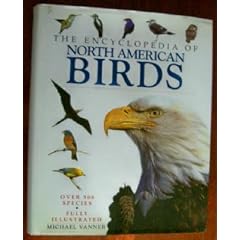
Often they ask questions for which we don't know the answers. That's when our "field guides" come in handy. So far, we have a rock/mineral identification book (though it is kind of lame) and a wonderful North American bird book that I got from a garage sale. We keep our eyes open for good, colorful reference material. Sometimes if we can't find the answer in one of our books, we'll look it up together on the internet. At this age especially, computer time is not something I usually allow. I want them to play with concrete objects and not in a cyber world. However, the internet has been helpful if we are reading about bird, for instance, to go and hear the bird's call.

The Nature Journal template that we use has space for them to record weather observations and the current date. (We mark off the days on our wall calendar and each day practice saying the entire date - Friday, September 25th, 2009). For recording the weather, we first were using some weather stickers I printed, but now I just let them draw the weather - whether sunny, rainy, cloudy, etc.

Sometimes my K5-son collects leaves and flowers that we press and then tape to the back of a Nature Journal page. We're not labeling and identifying these yet, but just using the leaves to make different shapes and pictures.

Each day a blank Nature Journal sheet goes into my K5-son's folder for the day and when he is done drawing he puts it a 3-ring binder for safe keeping.