
Wednesday, September 30, 2009
free helps from Handwriting without Tears
These free PDF's listed at the links below are excerpted from various workbooks and Teacher's manuals created by Handwriting without Tears. The links came in a free newsletter called Capital Start which I would recommend.

displaying children's art
My older two children both LOVE to draw, color, paint, etc. It has been fun to see their development in this area. I encourage them to "create" by providing them with a variety of art supplies placed on a low shelf where they can reach them. We display their artwork on a "clothesline" type string hung across the dining room wall. A visiting friend once remarked how he loved to see children encouraged in such a way.
I recently stumbled upon artsonia.com - an online art museum for children's artwork. Right now, I've uploaded some of their artwork under a parent account. Not only do they provide an online art gallery for free, but also make it easy to order "stuff" with the kids artwork on it (like T-shirts, coffee mugs, etc.)
If you'd like to become a "fan" of my children's art and view their page in the museum, please email me and I'd be happy to add you.
Tuesday, September 29, 2009
Bible Time & Family Worship
 Each morning after breakfast the kids and I have "Bible Time". Usually we are
 reading through a Bible story book or some other children's book based on the Bible. We just started reading again through God's Wisdom for Little Boys and God's Wisdom for Little Girls. We love those books! They have been very helpful in training our children as we can point back to some of the character traits, like diligence,
 contentment, helping, etc., as we're going through the day. Other resources that I have used and will be looking to in the future can be found at Doorposts. They have wonderful products for training children.
At night, after supper, my husband leads us in Family Worship. Our time together consists of three aspects:
1. My husband reads a pass
 age from the Bible. (We've been studying through 1 & 2 Samuel recently.) Then each person (well, at least the ones who can talk) asks him a question about the passage. Sometimes he asks us a question too.
2. We sing hymns and songs. I pick out the hymn of the month and any other songs we sing.
3. We pray. My husband generally asks each person to pray for a specific request.
One of our goals is to put a picture of what we're studying during Family Worship in our Family's Book of History to get an idea of chronology, but we have not done that yet. That's a goal for next year!
Monday, September 28, 2009
a day in the life of Home Ed @ the Roseberry's
It might seem like we've got a lot going on and truth be told, it took a few weeks to get into the hang of things. Definitely the most time-consuming part was figuring out what we were going to do this year. Now that we've kind of got a groove, the scheduled "schooling" part of our days is really easy. (Yes, I did say "easy" knowing that I could be shooting myself in the foot come tomorrow.)
From the time my K5-son was a wee babe, I've been encouraged to establish a routine for our days. We are not strict, set-the-timer schedule followers, but I have seen so many good things come out of having a general routine - both for my children and me. And now, five years after our first "routine" was established we have cherished "times" in each day including Bible Time, Table Time, Story Time etc.
When I started planning to "officially" educate K5-son, I wanted our days to flow in the same way they had been. I did not want him to feel a "jerk" into "schooling" and have a big schedule change. Therefore, I fit our "schooling" times into his normal routine, with just a few tweaks.
Our schedule for Term 1 of Kindergarten reflects how I would like things to go. This is our general flow - sometimes the times correspond to the schedule and most times they do not. Having this list printed and on the fridge helps me get back on track if the out of the ordinary happens - which does happen most days. (The highlighted parts of the schedule reflect the "official" 4 hours per day of "schooling".)
When I make up a new routine, it takes a week or two before it becomes habit, so I mostly look at the "schedule" for the first couple of weeks and then after that, the kids generally remind me what we do next.
 I found the the book "Managers of their Homes" to be a good tool to learn how to make schedules and fit everything in that you want to fit in (like time for playing and exploration and reading aloud). I borrowed this book from a friend and learned their method of making a schedule. I don't use the book or forms for making my schedules now. I just use Excel or a spreadsheet in Google Docs. In my opinion, the content of the book is not worth the expense, unless you want pre-made paper forms.
My kids don't know that the schedule exists. They do know the pattern in which we do things. It makes life easier for me and more predictable for them - and they thrive.
music theory & hymn study
Monday's are Music Days. After lunch, we generally have time for some kind of "culture" time (as I call it). On Monday we take about 10-15 minutes to discuss music. The kids really enjoy imitating rythyms and getting a chance to play low or high notes on the piano. Once again, it is amazing to me that with such little time investment, they can learn and retain so much. I've created a list of music lessons based on suggestions from some of the following sites:
 Theory Time - I didn't purchase these workbooks, though they look pretty good. I am using the concepts listed as jumping board for our gentle theory lessons.
Making Music Fun
During nightly Family Worship we work on learning one hymn per month. At the beginning of the year, I came up with a list of hymns (both old and new) and printed all of the lyrics and sheet music from the internet.
This is our list for 2009:
| January | Be Thou my Vision |
| February | What Wondrous Love is This |
| March | I will Glory in my Redeemer |
| April | Crown Him with Many Crowns |
| May | Not What my Hands Have Done |
| June | |
| July | Praise to the Lord, the Almighty |
| August | |
| September | Great God of Wonders |
| October | And Can it Be |
| November | Come Thou Fount of Every Blessing |
| December |
Saturday, September 26, 2009
the arts
My goals for my children's learning in the area of "fine art" include appreciation and familiarity of fine art and classical music. I don't really care if they know the exact name of the piece of music or exactly who wrote it, but are familiar with the tune and familiar with the composer's name. As I always enjoy a piece at the symphony more if I am familiar with it, I figure this exposure will increase their enjoyment of the arts in subsequent years as well.
Combining both famous art and classical music, Disney's Little Einsteins provides a story-line that my children enjoy and fits nicely into our morning "movie time". I don't allow the kids to watch much TV, but after Table Time while I'm getting lunch ready the 30 minutes of entertainment is much appreciated by everyone. I've found the cheapest place to purchase episodes is through iTunes for $1.99 per show.
 We are also loosely following the picture study module 2 organized by Simply Charlotte Mason. I've printed on our color printer pictures by Van Gogh that were linked from Ambleside Online's Art Schedule (Van Gogh was on their list for 2008-2009 Term 3). I place these pictures on the inside door of our kitchen closet so that when we are having Table Time and throughout the day the kids can see the picture we are currently studying. Once a week we concentrate on studying the picture. I say the name and the artist and then we'll either play a game where I let them study the picture and then cover it up and ask them questions about it like "What color was the floor? Were there any flowers in the painting?" etc. or we will attempt to copy the painting with colors or paints. Last week I printed an additional copy of the picture and cut it into pieces to make a puzzle. We study each picture about a month to 6 weeks.
We are not doing anything formal in the area of composer study. I have several classical pieces from various CD's organized into playlists on my iPod by composer and sometimes while we're doing arts and crafts or eating lunch, I'll start it playing and just tell the kids, "This music was written by Vivaldi", for instance. If I'm near the iPod and can see the title I'll tell them the title of the piece. It's amazing how much they can pick up just by that simple "background music." Sometimes we play games where I will hum a little bit of a tune and let them finish it.
Combining both famous art and classical music, Disney's Little Einsteins provides a
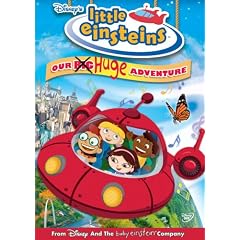 story-line that my children enjoy and fits nicely into our morning "movie time". I don't allow the kids to watch much TV, but after Table Time while I'm getting lunch ready the 30 minutes of entertainment is much appreciated by everyone. I've found the cheapest place to purchase episodes is through iTunes for $1.99 per show.
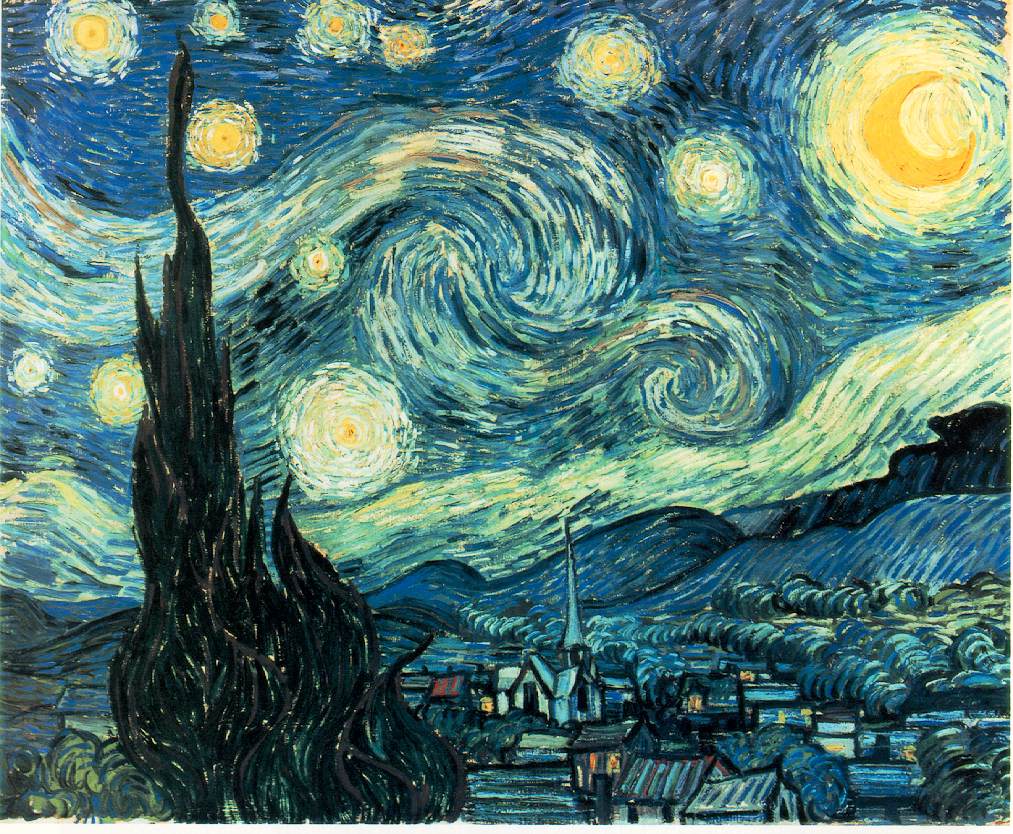 We are also loosely following the picture study module 2 organized by Simply Charlotte Mason. I've printed on our color printer pictures by Van Gogh that were linked from Ambleside Online's Art Schedule (Van Gogh was on their list for 2008-2009 Term 3). I place these pictures on the inside door of our kitchen closet so that when we are having Table Time and throughout the day the kids can see the picture we are currently studying. Once a week we concentrate on studying the picture. I say the name and the artist and then we'll either play a game where I let them study the picture and then cover it up and ask them questions about it like "What color was the floor? Were there any flowers in the painting?" etc. or we will attempt to copy the painting with colors or paints. Last week I printed an additional copy of the picture and cut it into pieces to make a puzzle. We study each picture about a month to 6 weeks.
We are not doing anything formal in the area of composer study. I have several classical pieces from various CD's organized into playlists on my iPod by composer and sometimes while we're doing arts and crafts or eating lunch, I'll start it playing and just tell the kids, "This music was written by Vivaldi", for instance. If I'm near the iPod and can see the title I'll tell them the title of the piece. It's amazing how much they can pick up just by that simple "background music." Sometimes we play games where I will hum a little bit of a tune and let them finish it.
hands-on learning @ museums
In a previous post, I mentioned that for science this year (and probably throughout the elementary years) we've opted to do nature study, gardening, cooking, reading living books about science and visiting science museums.
We believe that in providing our children hands-on learning experiences they not only learn better, but they become excited and interested about the subject. We've also seen how this helps in reading because when they encounter a new word they can often figure it out from context because they have seen what they are reading in real life.
Many museums have free days or times and those have been helpful. We opted to purchase a contributing membership to the Museum of Discovery ($110 per year) that included free admission to museums that are members of Children's Museum Assocation as well as Association of Science and Technology Center.
We haven't used the membership as much as I would have liked, but in a different season I think we definitely would have. Still, I feel like it was good deal financially speaking.
We have visited:
 The Magic House in St. Louis, MO - If you are ever in St. Louis and have children this is a must-see! Plan to spend at least a whole day! It is really awesome and well worth the admission fee (though one admission for a family would pay half of a yearly membership fee to MoD)
The St. Louis Science Center - Again, well worth the money and time invested. They treated us like first-class members with free planetarium shows, free Discovery Room entry and I think we could have watched the IMAX movie for free (but it was a little intense for our children's ages.)
 Children's Museum of Memphis - While it was a nice visit, it certainly does not compare to The Magic House. One other disadvantage is that they only allow 4 people to enter free with the reciprocal admission program (The Museum of Discovery membership allows up to 7 people) and everyone age 1-100 pays the full $9 admission price. If we did not have the yearly membership, I do not think it would be worth the admission price for a whole family to go.
The Pink Palace - Nice visit, especially since it was included in our membership. We only gained admission to the museum and extra exhibits and not the IMAX or planetarium. It will be nice to go back and view the traveling exhibits. We went when there were life-like dinosaurs that moved and growled and they were kind of scary for our kids.
 Though not part of our MoD membership, we also visited the Museum of Westward Expansion located underneath the St. Louis Gateway Arch. This was perfect timing as the exhibits about pioneers and such fit right into our reading of the Little House on the Prarie series.
We believe that in providing our children hands-on learning experiences they not only learn better, but they become excited and interested about the subject. We've also seen how this helps in reading because when they encounter a new word they can often figure it out from context because they have seen what they are reading in real life.
Many museums have free days or times and those have been helpful. We opted to purchase a contributing membership to the Museum of Discovery ($110 per year) that included free admission to museums that are members of Children's Museum Assocation as well as Association of Science and Technology Center.
We haven't used the membership as much as I would have liked, but in a different season I think we definitely would have. Still, I feel like it was good deal financially speaking.
We have visited:
 The Magic House in St. Louis, MO - If you are ever in St. Louis and have children this is a must-see! Plan to spend at least a whole day! It is really awesome and well worth the admission fee (though one admission for a family would pay half of a yearly membership fee to MoD)
The St. Louis Science Center - Again, well worth the money and time
 invested. They treated us like first-class members with free planetarium shows, free Discovery Room entry and I think we could have watched the IMAX movie for free (but it was a little intense for our children's ages.)
 Children's Museum of Memphis - While it was a nice visit, it certainly does not compare to The Magic House. One other disadvantage is that they only allow 4 people to enter free with the reciprocal admission program (The Museum of Discovery membership allows up to 7 people) and everyone age 1-100 pays the full $9 admission price. If we did not have the yearly membership, I do not think it would be worth the admission price for a whole family to go.
The Pink Palace - Nice visit, especially since it was included
 in our membership. We only gained admission to the museum and extra exhibits and not the IMAX or planetarium. It will be nice to go back and view the traveling exhibits. We went when there were life-like dinosaurs that moved and growled and they were kind of scary for our kids.Though not part of our MoD membership, we also visited the Museum of Westward Expansion located underneath the St. Louis Gateway Arch. This was perfect timing as the exhibits about pioneers and such fit right into our reading of the Little House on the Prarie series.
living science books
In a previous post, I mentioned that for science this year (and probably throughout the elementary years) we've opted to do nature study, gardening, cooking, reading living books about science and visiting science museums.
The best index I've seen of recommended living science books was put together by the North Houston Charlotte Mason support group. If you can get past the page design (that's the web-developer in me talking) it seems to be a good source of information. NOTE: Turn down your speakers!
Simply Charlotte Mason provides a set of lesson plans entitled 106 Days of Creation that looks interesting, though it was a bit much for me this year. We might use it in later years. They list the supplemental living books to use on their science page.
My sister sent me this link to several books online about animals by Arthur Scott Bailey.
Here are some of the books about nature and science that we have enjoyed so far this year.
cooking together
 In a previous post, I mentioned that for science this year
(and probably throughout the elementary years) we've opted to do nature study, gardening, cooking, reading living books about science and visiting science museums.
Most of the time I am baking something the kids help me. They love to measure, mix, cut out cookies, knead dough, etc. We get a chance to talk about how yeast works and our sourdough starter and the different tastes of salt and sugar though they look the same. We mix food colorings together to see what color will result. We experiment with adding ingredients and leaving them out.

We have a standing tradition around our house that every time it rains, we make cookies. (Since it's been raining for the past 14 days around here, we have not honored that tradition upon each occasion!) It's still fun to get to try different cookie recipes.
Each child has their own recipe book. When they help make something, I print off the recipe and they put it in their book. Often they draw a picture of the final product on the recipe page.
gardening
In a previous post, I mentioned that for science this year (and probably throughout the elementary years) we've opted to do nature study, gardening, cooking, reading living books about science and visiting science museums.
My K5-son and K3-daughter have a small garden that they are responsible for maintaining...and harvesting! We opted for no-till square-foot gardens for easy start-up and maintenance. We marked off the plot, put down layers of wet newspaper and added compost and cow manure on top. Then the kids looked through our seed stash (which we had received at a city-sponsored "Going Green" event last fall) and chose what they wished to plant. I helped them determine where each seed should be planted based on size and recommended spacing. They drew pictures on a garden plot sheet to help us remember where to plant as well as what was planted. After first planting the seeds my K5-son and K3-daughter would go out each day to see if any of the seeds had sprouted. What excitement when the first seedlings broke through the soil!
They also got a first-hand introduction to pests. My K5-son 's zucchini and pumpkin plants were decimated by the dreaded squash vine borer. We had seen those guys last year, so we knew what they were. So far, my K3-daughter's pumpkin is still growing (it's about 30 feet long now), but alas, no pumpkins. We also have had opportunity to learn about hornworms, cucumber beetles and harlequin bugs and many good insects as well.
Right now we don't have a good desk reference for garden pests, so we look of most of them up online. This year, we just let the pests eat what they wanted except for a few vine borers that we gladly dissected and the hornworms that my K3-daughter enjoyed "squishing the green blood out of." Maybe next year we can do a better job at pest control. We'll also look into better companion planting.
The kids planted their gardens that first week of school in July. With the length of our growing season it is more than enough time. Really, in the South, you can plant a garden almost any time - just research what zone you live in and know what to plant. Most of the seed packets give you the information on when to plant based on your zone.
It has truly been a fun and educational experience for us. Another plus is that my K5-son and K3-daughter have eaten more cucumbers, corn and tomatoes than they would have otherwise - because they grew and picked them.
This fall and winter we'll concentrate our gardening efforts on harvesting and storing seed from some of our plants and herbs (making our own seed packets) as well as getting our garden plots ready for next spring.
Useful gardening links:
Journey to Forever Gardening Resources
Garden Guides
Organic Gardening Magazine

(Somehow I got a free subscription to this printed magazine and it's nice with great photos. They also have a free e-newsletter that contains good articles and helpful tips.)
My K5-son and K3-daughter have a small garden that they are
responsible for maintaining...and harvesting! We opted for no-till square-foot gardens for easy start-up and maintenance. We marked off the plot, put down layers of wet newspaper and added compost and cow manure on top. Then the kids looked through our seed stash (which we had received at a city-sponsored "Going Green" event last fall) and chose what they wished to plant. I helped them determine where each seed should be planted based on size and recommended spacing. They drew pictures on a garden plot sheet to help us remember where to plant as well as what was planted. After first planting the seeds my K5-son and K3-daughter would go out each day to see if any of the seeds had sprouted. What excitement when the first seedlings broke through the soil!They also got a first-hand introduction to pests. My K5-son 's zucchini and
 pumpkin plants were decimated by the dreaded squash vine borer. We had seen those guys last year, so we knew what they were. So far, my K3-daughter's pumpkin is still growing (it's about 30 feet long now), but alas, no pumpkins. We also have had opportunity to learn about hornworms, cucumber beetles and harlequin bugs and many good insects as well.
Right now we don't have a good desk reference for garden pests, so we look of most of them up online. This year, we just let the pests eat what they wanted except for a few vine borers that we gladly dissected and the hornworms that my K3-daughter enjoyed "squishing the green blood out of." Maybe next year we can do a better job at pest control. We'll also look into better companion planting.
The kids planted their gardens that first week of school in July. With the length of our growing season it is more than enough time. Really, in the South, you can plant a garden almost any time - just research what zone you live in and know what to plant. Most of the seed packets give you the information on when to plant based on your zone.
It has truly been a fun and educational experience for us. Another plus is
that my K5-son and K3-daughter have eaten more cucumbers, corn and tomatoes than they would have otherwise - because they grew and picked them.This fall and winter we'll concentrate our gardening efforts on harvesting and storing seed from some of our plants and herbs (making our own seed packets) as well as getting our garden plots ready for next spring.
Useful gardening links:
Journey to Forever Gardening Resources
Garden Guides
Organic Gardening Magazine
(Somehow I got a free subscription to this printed magazine and it's nice with great photos. They also have a free e-newsletter that contains good articles and helpful tips.)
nature study
 For science this year (and probably throughout the elementary years) we've opted to do nature study, gardening, cooking, reading living books about science and visiting science museums.
Nature study assumes actually giving them time outside to study God's world. Generally I let them go out in the mornings for a period of time, they check their gardens and find interesting bugs and birds and then when it is Table Time they have something to draw in their Nature Journals. Mostly my K5-son is the only one maintaining a Nature Journal now as he understands the concept to draw something he saw outside. My K3-daughter was often drawing spaceships and elephants climbing the crepe myrtle trees. They especially enjoy it when I give them a clipboard and they can go outside and draw while looking at their subject.
Nature study doesn't just happen in our backyard either. In fact, their observation of the God's awesome creation happens every time we go outside whether to the grocery store or church or special trips to see the buffalo at a nearby park. When possible, we also take time to encourage their exploration and ask them questions that get them thinking. Like, what is that on the buffalo's back? A bird? Why do you think a bird is riding on the buffalo's back? And we can talk to them about how God created the birds to help eat the bugs bothering the buffalo.
Often they ask questions for which we don't know the answers. That's when our "field
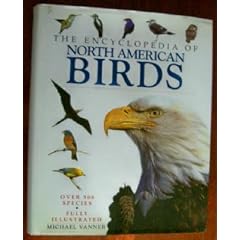 guides" come in handy. So far, we have a rock/mineral identification book (though it is kind of lame) and a wonderful North American bird book that I got from a garage sale. We keep our eyes open for good, colorful reference material. Sometimes if we can't find the answer in one of our books, we'll look it up together on the internet. At this age especially, computer time is not something I usually allow. I want them to play with concrete objects and not in a cyber world. However, the internet has been helpful if we are reading about bird, for instance, to go and hear the bird's call.
The Nature Journal template that we use has space for them to record weather observations and the current date. (We mark off the days on our wall calendar and each day practice saying the entire date - Friday, September 25th, 2009). For recording the weather, we first were using some weather stickers I printed, but now I just let them draw the weather - whether sunny, rainy, cloudy, etc.
Sometimes my K5-son collects leaves and flowers that we press and then tape to the back of a Nature Journal page. We're not labeling and identifying these yet, but just using the leaves to make different shapes and pictures.
Each day a blank Nature Journal sheet goes into my K5-son's folder for the day and when he is done drawing he puts it a 3-ring binder for safe keeping.
Friday, September 25, 2009
penmanship
Around the first of this year - when my K5-son was just five - I started teaching him how to write his capital letters. Though I had planned to use the Handwriting without Tears strokes because I had heard so many good things about the program, we kind of got off-base. He developed some really bad handwriting habits and then life happened and we totally set aside any kind of handwriting practice.
 Because he had already written his capital and lowercase letters a few times, I thought that when we began Kindergarten we would go straight into copywork. However, once we started the year, it was evident he needed more training in how to form the letters. So, I took the plunge and purchase the Handwriting without Tears curriculum.
He has really enjoyed doing handwriting and his penmanship has improved. We are taking things slow - only 1 or 2 letters/numbers per week. We spend about 15 minutes per day on handwriting. My K3-daughter joins us for most days and is doing well with writing letters on a slate with chalk.
At first, I thought I could teach him myself just using the free resources that Handwriting without Tears provides, but then I realized it would be so much easier just to buy the workbooks and learning aids than to recreate them myself. (Time vs. Money decision)
You can see what we bought on the 2009-2010 Cost sheet.
poetry & "living" books
What are "living" books? Simply Charlotte Mason gives a good, concise definition:
Probably the most well known of Charlotte’s methods is her use of living books instead of dry, factual textbooks. Living books are usually written by one person who has a passion for the subject and writes in conversational or narrative style. The books pull you into the subject and involve your emotions, so it’s easy to remember the events and facts. Living books make the subject “come alive.”
 So we are using "living" books instead of textbooks for the subjects we are studying. Many times I'm finding you can't fit a "living" book into just one subject. Take for instance, the Little House on the Prairie series. There's science, history, math...a whole lot of good stuff in there.
In their article, Ten Things to Do with Your Child Before Age Ten, Trivium Pursuit recommends reading aloud to your children at least two hours a day. Two hours a day!? At first I was thinking, "There is no way that could happen." But, we've set up our routine where we are reading to them about that much. Early on we established reading together as a daily before-sleep ritual and that has carried over. Right now, I am reading through the Little House series before afternoon naps (or "quiet time" for those who don't take naps anymore) and Don is reading through Stuart Little before bedtime at night. Don also reads aloud to the whole family during our daily Family Worship time.
During Family Worship, everyone must sit quietly and listen - Daddy will be asking questions at the end of the reading! This is also practice for sitting still in worship service at church. During the other reading times, however, we've taken the Bluedorn's advice:
Do not require your children to sit beside you on the couch perfectly still while you read. As long as they stayed in the room and were not distracting or interrupting, we allowed our children to play quietly with their toys or to work on cross-stitching or to draw or some similar quiet project, while we read aloud.
Just a note: Art projects during "story time" usually go much better when Corban (almost 2) is already in bed for naps. I usually read simpler stories with him before his morning quiet time and afternoon nap time.

We also have time one day a week dedicated to reading poetry. This year we are focusing on the works of Robert Louis Stevenson using A Child's Garden of Verses. This is an area of our home education that I particularly enjoy. The kids seem to like it as well and enjoy figuring out the imagery in his poems. We are working on memorizing "The Swing". I think the exposure to good poetry has increased my K5-son's creativity. Generally he's a very logical thinker, but he is beginning to talk about nature and other things with more poetic descriptions. I tell them a poem is like a painting made with words.
The books we are reading aloud this year:
Probably the most well known of Charlotte’s methods is her use of living books instead of dry, factual textbooks. Living books are usually written by one person who has a passion for the subject and writes in conversational or narrative style. The books pull you into the subject and involve your emotions, so it’s easy to remember the events and facts. Living books make the subject “come alive.”
So we are using "living" books instead of textbooks for the subjects we are studying. Many times I'm finding you can't fit a "living" book into just one subject. Take for instance, the Little House on the Prairie series. There's science, history, math...a whole lot of good stuff in there. In their article, Ten Things to Do with Your Child Before Age Ten, Trivium Pursuit recommends reading aloud to your children at least two hours a day. Two hours a day!? At first I was thinking, "There is no way that could happen." But, we've set up our routine where we are reading to them about that much. Early on we established reading together as a daily before-sleep ritual and that has carried over. Right now, I am reading through the Little House series before afternoon naps (or "quiet time" for those who don't take naps anymore) and Don is reading through Stuart Little before bedtime at night. Don also reads aloud to the whole family during our daily Family Worship time.
During Family Worship, everyone must sit quietly and listen - Daddy will be asking questions at the end of the reading! This is also practice for sitting still in worship service at church. During the other reading times, however, we've taken the Bluedorn's advice:
Do not require your children to sit beside you on the couch perfectly still while you read. As long as they stayed in the room and were not distracting or interrupting, we allowed our children to play quietly with their toys or to work on cross-stitching or to draw or some similar quiet project, while we read aloud.
Just a note: Art projects during "story time" usually go much better when Corban (almost 2) is already in bed for naps. I usually read simpler stories with him before his morning quiet time and afternoon nap time.
We also have time one day a week dedicated to reading poetry. This year we are focusing on the works of Robert Louis Stevenson using A Child's Garden of Verses. This is an area of our home education that I particularly enjoy. The kids seem to like it as well and enjoy figuring out the imagery in his poems. We are working on memorizing "The Swing". I think the exposure to good poetry has increased my K5-son's creativity. Generally he's a very logical thinker, but he is beginning to talk about nature and other things with more poetic descriptions. I tell them a poem is like a painting made with words.
The books we are reading aloud this year:
Thursday, September 24, 2009
weekly planning
Each Friday afternoon I get ready for the following week. So far, I like planning on a weekly basis so that I can tweak the plan based on what we accomplished the previous week.
At the beginning of the year I created a term-long Master Lesson Plans document that showed each lesson I wanted us to do in each subject. For instance, in Math, I put in each of the worksheet numbers for the Miquon Orange Book, but also added lessons in for introducing a concept (like subtraction) with time for playing with manipulatives and other games to help my K5-son grasp the concept before we went to the abstract work of reading and writing the math sentences (3-2=1).
I update the "Lesson Plans" document on Fridays to mark what we accomplished the previous week. I've taken care not to add dates to the lesson plans since I want to be flexible and go with my K5-son's flow and not force him to go with mine.
After noting our progress in the Lesson Plans document, I plan out what our goals are for the following week. I use a printed version of my Weekly Planner Template. I write the dates at the top and fill in which math lesson, history story, etc. he should do during the week . I check off each thing that we accomplish and put an X by the things we didn't do. (see completed version) On some subjects I have space for my K3-daughter, but lately I've just been letting her choose a folder game or two, letting her color a page in her shapes book or Handwriting without Tears Preschool workbook and letting her play with some math manipulative like Cuisenaire rods.
After making my Weekly Plans, I put the appropriate worksheets in my K5-son's folders. I have 5 manila folders in our file cabinet marked for each day of the week (Monday-Friday). (I got this idea from Preschoolers and Peace.) Usually we only have two worksheets in each folder - Nature Journal page and a Miquon Math sheet. My K5-son completes these during morning Table Time.
This weekly planning session usually takes me around 15-20 minutes and is working really well for us. Since his work is already organized according to day, he knows right what to get and usually gets started working without me in the room.
For archival purposes, I scan in the completed Weekly Planning sheet and save it on my computer. This will help me in subsequent years to see just how much we actually did day by day in Kindergarten and also provide proof that I am actually schooling should I ever need it legally.
planning for the school year
 I found the workbook from Simply Charlotte Mason, Planning Your Charlotte Mason Education, to be extremely helpful. The book walks you through simple steps starting with determining your "Big Picture" down to planning your day.
I bought the hard-copy version and am glad that I did. However, a purchaser of the book can also download additional copies of the charts and forms.
I decided to make my own charts in Word, based on hers, but with my own tweaks.
Here are a couple of examples (I made them in July and they are now a bit out of date. They helped me get started though.)
2009 - 2010 Term Schedule
 |
| From home_education |
Term 1 Weekly Schedule
 |
| From home_education |
using Bob Books and At Last! A Reading Method for Every Child
From my post on how my K5-son learned to read:
Though Pecci did not recommend the Bob Books, I think they were a good start. At first, very phonics based - only words you could sound out. Then as we progressed there got to be more and more sight words as well as the opportunity to use the "sight families" we were learning from the At Last! book. I made some sheets that would help us with each Bob Book. The sheet contained a review of sight families we had learned in the previous book, an introduction to sight families to be encountered in the current book as well as review/intro of any sight words we were to encounter. We would go over this sheet together before reading each book. When he finished the book, he got to choose a sticker for the sheet and put it in his English Language Notebook.
Apparently, I didn't make the companion sheets until we were in the second set of Bob Books. Here are the links to the sheets that I did make:
Summer - Set B1 - Book 5
Kittens - Set B1 - Book 6
Funny Bunny - Set B1 - Book 7
Bed Bugs - Set B1 - Book 8
Bump - Set B2 - Book 2
Cat and Mouse - Set B2 - Book 3
Samantha - Set B2 - Book 5
Willy's Wish - Set B2 - Book 6
Jumper and the Clown - Set B2 - Book 7
Max and the Tom Cats - Set B2 - Book 8
teaching a child how to read
This is a quick list for my reference for other children coming up so I won't have to re-invent the wheel.
Materials Needed:
Materials Needed:
- At Last! A Reading Method for Every Child by Mary Pecci
- Bob Books - Sets 1 & 2
- concrete alphabet letters (magnets or foam letters)
- Pathway Readers
- Teach the alphabet letters by name (Letter Hunt, Alpha-Bingo, singing ABC's)
- Teach the Good Guys (the consonants who say their names like "B" p 70)
- Teach the Tough Guys (the consonants who don't say their names like "H" p 78)
- Teach the short Vowels (p 90)
- Start reading Bob Books
- Teach the digraphs. (p 84)
- Introduce Sight Families (p 121ff) as needed
- Help the child figure out words by underlining the parts of the words that they already know and reading in context (What's the clue? p 108)
- Introduce new Sight Families and Sight Words before the child reads them so they are already familiar with new words they encounter in reading.
- Pathway Readers - continue introducing new sight families/words until the child is confidently figuring out words on his own.


Cost for 2009-2010
| Resource | Price | Source |
| Planning | ||
| Planning Your Charlotte Mason Education | $16.95 | Purchased from Simply Charlotte Mason |
| General School Supplies (markers, paper, ink, colors, glue, scissors) | $50.00 | Purchased from various discount stores |
| Reading | ||
| At Last! A Reading Method for Every Child by Mary Pecci | Free | BCLR Share & Swap |
| Bob Books (Sets 1-3) | $15.00 | Purchased used from friend |
| Foam Alphabet Puzzle | Free | Hand-me-down |
| Alphabet Magnets | Free | Gift |
| First Steps, Days Go By, More Days Go by Pathway Readers | Free | PaperBackSwap |
| Busy Times, More Busy Times by Pathway Readers | $10.00 | Purchased used from friend |
| Climbing Higher, New Friends, More New Friends by Pathway Readers | $19.50 | Purchased from Rainbow Resource Center |
| Literature | ||
| Child's Garden of Verses - Thomas Kinkade version | FREE | PaperBackSwap |
| Little House on the Prairie Series, Chronicles of Narnia Series, all read-aloud books | FREE | Local Library |
| Charlotte's Web | FREE | Gift |
| Penmanship | ||
| Handwriting without Tears - Kindergarten Teacher's Guide | FREE | PaperBackSwap |
| Capital Letter Cards for Wood Pieces — Laminated | $14.75 | Handwriting without Tears |
| Get Set for School (PreK workbook for my K3-daughter) | $6.85 | Handwriting without Tears |
| Letters and Numbers for Me (K workbook for my K5-son) | $6.85 | Handwriting without Tears |
| Mat for Wood Pieces | $3.00 | Handwriting without Tears |
| 2 Slate Chalkboards | $6.00 | Handwriting without Tears |
| Wood Pieces Set for Capital Letters | $27.50 | Handwriting without Tears |
| Science | ||
| North American Bird Encyclopedia | $1.00 | Purchased from Garage Sale |
| Compost & other garden soil supplies | $10.00 | Purchased from Lowe's |
| Square Foot Gardening book (older edition) | FREE | PaperBackSwap |
| Weather stickers, Nature Journal templates, Binders | Included in general supplies cost | |
| Vegetable, Flower and Herb Seeds | FREE | From city-sponsored Going Green event or harvested from last year |
| Contributing Membership to Museum of Discovery | $110.00 | Purchased from Museum of Discovery |
| Fine Art | ||
| Little Einstein episodes | $10.00 | Purchased on iTunes |
| Music & Hymn Study | ||
| Lyrics and/or Music from internet | $0.00 | |
| Bible | ||
| Eager Reader Story Bible | $11.00 | Purchased from SWBC Bookstore at church |
| God's Wisdom for Little Boys & Girls | $0.00 | Received as gifts |
| Other Bible story books | $0.00 | Purchased in previous years or received as gifts |
| Math | ||
| Saxon Math Manipulative set | $40.00 | Purchased used from a friend |
| Miquon Math - Orange & Red Book | $13.00 | Purchased from CurrClick.com |
| Cuisenaire Rods | $10.00 | Purchased used from a friend |
| History and Geography | ||
| Timeline book materials, CD, etc. | $0.00 | Included in general supplies cost |
| World & U.S. Map | $20.00 | Purchased from Costco |
| Memorization | ||
| Truth and Grace Memory Books | $0.00 | Gift from a friend |
| Sub-total 2009-2010: | $463.40 |
how my K5-son learned to read
Our educational plan for Kindergarten includes using readers for Grades 2 and 3. Am I a bit over ambitious? No. It's where he is, so that's where we are. As of this post, he's actually already finished the 2nd grade readers and is in the second of the 3rd grade readers. We might actually be using the 4th or 5th grade readers before the end of this year!
With links in my "Philosophy of Education" section like the Charlotte Mason method (who advocated not starting formal education until age 6) and Better Late than Early (which advocates age 8 as a starting "school" age) it may seem that I am a bit inconsistent. Well, truth be told, I am inconsistent (isn't everyone?), but I do really agree with those approaches.
Here's how it happened that my K5-son learned to read. I hesitate to say that I "taught" him because really, I just gave him the very basic concepts and around last Fall (when he was 4 1/2) it "clicked" and there has been no stopping him.
From a very early age, I began talking to my K5-son. This was weird to me at first. It was just him and me in the house and things were kind of quiet. I didn't think it was a good thing to have the TV on all day just for noise, so I started talking to him. Real stuff - not baby talk. I talked about things I was doing, what we were going to do next, why we did certain things. I pointed out things in God's creation. I explained why water bubbles when it gets really hot. I talked a lot about God and how He is our Treasure and the reason we exist. It was difficult to get started. I felt almost like I was just talking to myself. I didn't expect that he understood the chemical process of "boiling" or that he really got "Christ is our Treasure". That time was more of a training for me, I think, than it really was teaching him. I started looking at the world in a different way. I started realizing that the best way for him to learn was for me to talk to him about what I was doing.
My husband and I read to him all the time. We formed a habit of reading books before each nap-time or bed-time and it continues till this day with each of our children.
I started pointing out letters to him. For instance, we would say like "apple" starts with "A" and give the sound for "A". We had a hard foam type A-B-C puzzle that I got from someone at church and we would play "Letter Hunt" (like hunting for Easter Eggs). I would hide the letters in the living room and he would go in and put them in his basket. He loved it. Every time he would find one I would say the name of the letter.
We also started watching the letter animations at starfall.com during lunch. (Let me say during this time, I was under the impression that reading early was better than later, so I did kind of push things. I don't think he felt pushed and we certainly didn't do anything he wasn't ready and willing to do. However, with my later children I am not pushing things so early. I'm still talking to them, but we haven't started teaching my almost two year old his letters yet.)
When he was around 3, I asked a veteran homeschool mom for advice and she advised me to start teaching him to read right away. I wasn't for sure, but I thought it couldn't hurt as long as I took things slow and didn't frustrate him. We started playing games to learn the sounds of the letters. He learned all the letter sounds, but could not grasp the idea of blending those sounds into words. For instance, he could say the sounds for each letter in C-A-T, but could not blend those into "cat".
It was around this time that I started reading more books on child development and my thinking on early reading and early childhood education changed (more in line to what is found on my sidebars). So, we put away the reading material and kept on talking. We would play rhyming games and "what letter does ___ start with?" and other word games verbally.
During this time we still had Table Time each day and every once in a while I would challenge my K5-son with making simple words out of alphabet magnets.
In November of 2008, he started blending sounds. So, I thought we'd try the Bob Books. He loved them. He thought they were hilarious and was so proud that he could read a whole book by himself.
I started looking more in-depth at Mary Pecci's At Last a Reading Method for Every Child. I agreed with her approach and started fitting her concepts into our situation. My son was not ready for writing, so we didn't even go there. We just concentrated on reading and learning the sounds for the good guy consonants, the bad guy consonants, the short and long vowels and learning rules like "when two vowels go walking, the first one does the talking." He really caught on quick.
Though Pecci did not recommend the Bob Books, I think they were a good start. At first, very phonics based - only words you could sound out. Then as we progressed there got to be more and more sight words as well as the opportunity to use the "sight families" we were learning from the At Last! book. I made some sheets that would help us with each Bob Book. The sheet contained a review of sight families we had learned in the previous book, an introduction to sight families to be encountered in the current book as well as review/intro of any sight words we were to encounter. We would go over this sheet together before reading each book. When he finished the book, he got to choose a sticker for the sheet and put it in his English Language Notebook.
We didn't finish the Bob Books series, however, because my K5-son eventually got bored with them. (I was secretly glad, because though they do have some plot, it is kind of lame and predictable.) Next, we got our first Pathway Reader from PaperBackSwap. It was a real story! First Steps starts out by having a section for the parent to read to get the plot moving and then the child finishes it up. My K5-son really enjoyed reading about Peter, Rachel, Andrew and Miriam and their life on a farm. They almost feel like a part of our family now.
When we first started the Pathway Readers, I would look in the handy-dandy word index in the back to see what new words we would be reading that day. Instead of introducing all of the sight families from At Last! at once, I would only introduce them the day we would be reading the word, so that he immediately had a chance to use the new family. I stopped making worksheets and would just write the new families on our white board and any families I felt we needed to review. We continued in this pattern through the first and second grade readers.
By the time he was nearing the end of the second grade reader he was figuring out most new words from context and needing only occasional help from me. I didn't really go past the "Sight Families" chapter in the At Last! book and we certainly didn't do any of the worksheets suggested. Sometimes, if I felt he needed a review, I would look at their suggestions for "seatwork" and just make up a verbal game to play. I thought it best not to pin him to a chair, but give him opportunity to learn while using all his energies. Many times we would play these games on a ride somewhere, or while folding clothes, making bread or swinging outside.
My K5-son just started reading More New Friends with me. I pay attention not only to how well he is figuring out the words, but also his inflection and comprehension. Honestly, he's already read this book...probably several times. He loves to read. Often times when we can't find him, he'll be sitting on his bed with one of his "school" books or a library book reading. Because we like the Pathway Readers so much, we went ahead and bought the set through eighth grade from the Rainbow Resource Center. (We probably could have got them cheaper either by waiting on PaperBackSwap or looking on eBay). He's already read most of the Pathway Readers by himself, but it is helpful to have him read them to me so that I can correct any mispronunciations, inflections, etc.
We haven't used any of the workbooks that come with the Pathway readers. I agree with Trivium Pursuit in delaying the teaching of formal grammar until age 10, so I just want to make sure now that he has a good reading foundation and that he enjoys reading without worrying about whether he knows the parts of speech. We still play verbal word games on concepts that he would practice on in the workbooks - like making words singular or plural (though I don't use those terms) or practicing how to make a word past tense or future tense. His hands aren't ready for all the writing yet, and I certainly don't see a need to push it.
I don't expect learning to read to be the same for my other children, but the process with my K5-son has been gentle and gone very well.
Steps I used in teaching a child how to read - the condensed version
Tuesday, September 22, 2009
officially "educating"
On July 6, 2009, my K5-son officially started kindergarten. In our state, we have the option of associating with a church-related school, often referred to as an "umbrella school". Therefore, legally, my K5-son is enrolled in a private school and I am a private school teacher - not a homeschooler. This has its advantages and the umbrella school we decided to go with, Home Life Academy, makes things so easy. I am grateful that they share much of my philosophy of education as I see many of the same books I'd recommend on their website and agree with many of the articles I read on their site about education and child development.
Unlike other umbrella schools in our area, Home Life Academy does not require a set list of subjects to be taught or require us to use the traditional A-F grading scale. They do require grades be submitted twice a year, but using Satisfactory, Unsatisfactory, etc. is sufficient through the eighth grade. Another "perk" in my opinion is that HLA does not require standardized testing (except in rare circumstances regarding high school graduation). HLA uses a great online reporting system allowing me to update our attendance records regularly and also submit grades online.
HLA does require that we submit an educational plan for the year, which appears to be a listing of the books you want to use and subjects you want to teach - as individualized as you want it to be. Also, our state requires instruction for 180 days of the school year, 4 hours per day.
As of July, here is our "Educational Plan" for Kindergarten 2009/2010.
| Reading | Pathway Readers Series – Grades 2 & 3 |
| Literature | poetry by Robert Louis Stevenson Seasonal Poetry Anthologies Listen to reading of classic, living books |
| Penmanship | Handwriting without Tears - K |
| Memorization | Truth & Grace Memory Book Book 1 Selections from Robert Louis Stevenson |
| Nature Study (Science) | Observe and Record in Journal (Home Garden, Nature Walks) Read living science books |
| Fine Art | Little Einsteins Simply Charlotte Mason Module 2 Picture Study |
| History & Geography | Fifty Famous Stories Retold Family Book of History (Timeline book) |
| Music | Learn new hymn every month Practice basic music skills (rhythm, tone) |
| Physical Education | Informal outside play at home & parks |
| Bible | Joshua – Malachi |
| Math | Miquon Math - Orange and Red Book |
Tuesday, September 1, 2009
Arts & Crafts 2009-2010
| September |
| Counting Caterpillar from The Knack |
| Decorate for Birthday from The Knack |
| Pencil Toppers from The Knack |
| Bugs from Torn Paper from Blick Art Materials |
| October |
| Seed Packets from Family Fun |
| Leaf People from Oriental Trading Company |
| Paper Plate Scarecrow from Oriental Trading Company |
| Stuffed Pumpkins from construction paper, tissue paper |
| November |
| Thanksgiving Tree (write on leaves what we are thankful for) |
| Paper Plate Pilgrims from Oriental Trading Company |
| Tissue Paper Indian Corn from Oriental Trading Company |
| Fall Leaves Thanksgiving Turkey from Oriental Trading Company |
| December |